


-

Add: HeBei ShengShi HongBang Cellulose Technology CO.,LTD.
-

Email
13180486930@163.com -

CONTACT US
+86 13180486930

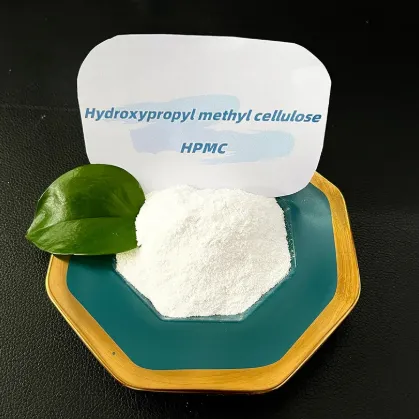


Bauma China stands as a colossal beacon in the global construction machinery and building materials industry, a stage where innovation meets application and future trends are unveiled. Beyond its impressive display of heavy equipment, Bauma China serves as an invaluable nexus for specialized sectors, notably the dynamic world of Cellulose export processing and HPMC (Hydroxypropyl Methylcellulose) manufacturing. For B2B decision-makers, attending or monitoring this exhibition is not merely about observing; it's about gaining critical market insights, forging strategic partnerships, and understanding the trajectory of essential raw materials that underpin modern construction and industrial applications. It's where the next generation of materials, derived from meticulously processed wood cellulose , truly shines. Industry Trend Spotlight: The Evolution of Cellulose Ethers in a Demanding Market The global construction and industrial landscape is experiencing a paradigm shift, increasingly driven by the need for advanced materials that offer superior performance, sustainability, and efficiency. Within this context, the development of multi-functional and tailor-made cellulose ethers for specific applications, such as high-performance dry-mix mortars, renders, and coatings, is gaining unprecedented global attention. This isn't just about a single product; it's about an entire ecosystem built on the remarkable properties of xylem fiber . Manufacturers are pushing the boundaries, creating products that not only enhance workability and durability but also align with stringent environmental standards. A significant driver is the increasing demand for sustainable and bio-based additives. As industries strive to reduce their carbon footprint, materials derived from renewable resources, like fibre made from wood pulp , become indispensable. Concurrently, advancements in formulation efficiency for dry-mix mortars and coatings are paramount. These innovations enable quicker construction, reduced waste, and enhanced longevity of structures, directly impacting project costs and environmental impact. The end goal? Enhanced product performance that translates into improved workability on site and exceptional long-term durability for the final application. Market data emphatically supports this trend: The global cellulose ether market is projected for steady and robust growth, primarily fueled by the expanding construction sector, particularly in the Asia-Pacific region. This growth is not merely quantitative but qualitative, driven by the increasing adoption of green building practices and the escalating demand for high-performance specialty chemicals. Beyond construction, the versatility of cellulose ethers—stemming from meticulous cellulose extraction from wood —will also drive market expansion in pharmaceutical and personal care applications, highlighting their broad industrial significance. Emerging focus areas for cellulose ether manufacturers include: Sustainable construction materials: Developing environmentally friendly binders and thickeners. High-performance building additives: Enhancing properties like water retention, open time, and adhesion. Advanced rheology modifiers: Precision control over material flow and application characteristics. Solutions for energy-efficient buildings: Contributing to thermal insulation and reduced energy consumption. Green chemistry innovations: Pushing the boundaries of eco-conscious manufacturing and product development for cellulose wood fibers . Profiles of Leading Cellulose Export Processing and HPMC Manufacturers Bauma China provides an exceptional platform to engage with the powerhouses driving the Cellulose export processing and HPMC industry. These manufacturers are not just suppliers; they are innovators, partners, and critical components in the global supply chain for advanced building materials and specialty chemicals. HeBei ShengShi HongBang Cellulose Technology CO.,LTD. At the forefront of the Chinese cellulose ether industry is HeBei ShengShi HongBang Cellulose Technology CO.,LTD. This company has rapidly established itself as a pivotal player, renowned for its comprehensive expertise in cellulose ether R&D and manufacturing. Their commitment to innovation extends from the initial cellulose extraction from wood processes to the final refined HPMC products. A strong emphasis on consistent product quality and performance across diverse grades is a hallmark of HeBei ShengShi HongBang. They understand that reliability is paramount for B2B partners, offering tailored solutions that meet precise application requirements, whether it's for tile adhesives, gypsum plaster, or exterior insulation systems. Their advanced manufacturing facilities and stringent quality control protocols ensure that every batch of fibre made from wood pulp derivatives consistently delivers optimal results. Advanced processing and quality control at HeBei ShengShi HongBang Cellulose Technology CO.,LTD. Furthermore, HeBei ShengShi HongBang offers robust technical support for application development. Their team of experts collaborates closely with clients to optimize formulations, troubleshoot challenges, and innovate new applications for xylem fiber products. This collaborative approach fosters long-term partnerships built on trust and mutual success. Their diversified product portfolio serves multiple industrial sectors, including construction, coatings, oil drilling, and more, making them a versatile and reliable partner for a wide array of industrial needs. Their mastery over processing wood cellulose into high-value HPMC is a testament to their engineering prowess. Other Global Leaders in Cellulose Ethers While Chinese manufacturers are rapidly growing in influence, the global HPMC landscape also features several established titans: Ashland: A global leader in specialty ingredients, Ashland offers a wide range of cellulose ethers, particularly known for their performance in personal care, pharmaceuticals, and construction applications. Their focus on innovation and global reach makes them a significant player. DuPont (now IFF's Nutrition & Biosciences): Originally a pioneer in cellulose chemistry, DuPont's cellulose ether business is now part of IFF. They maintain a strong legacy of high-quality products, particularly in construction and food industries, driven by sophisticated cellulose wood fibers processing. Shin-Etsu Chemical: A Japanese chemical giant, Shin-Etsu is highly respected for its premium cellulose derivatives, especially for pharmaceutical and advanced construction applications where consistency and purity are paramount. Shandong Head Co., Ltd.: Another prominent Chinese manufacturer, Shandong Head has made significant strides in both capacity and quality, becoming a key supplier of HPMC for the construction industry within China and globally, showcasing robust Cellulose export processing capabilities. Lotte Fine Chemical: From South Korea, Lotte Fine Chemical produces a diverse portfolio of cellulose ethers, catering to construction, pharmaceutical, and food industries with a focus on consistent quality and technological advancement in fibre made from wood pulp . These companies, together with emerging powerhouses like HeBei ShengShi HongBang, collectively define the competitive and innovative landscape of the global HPMC market. Market Outlook & Opportunities in Cellulose Ethers The future of the Cellulose export processing and HPMC market is brimming with opportunities, shaped by evolving buyer demands and technological advancements. Upcoming trends indicate a strong move towards higher customization, even more stringent quality controls, and products that offer multiple benefits in a single application. Buyers are increasingly seeking not just a product, but a complete solution that can enhance their own offerings. This includes specific rheological profiles, improved water retention, anti-sag properties, and extended open times, all tailored through sophisticated cellulose extraction from wood . Significant opportunities lie in the integration of automation and smart manufacturing processes. Manufacturers leveraging AI and IoT in their production lines can achieve unparalleled consistency, efficiency, and traceability for their wood cellulose derivatives. This not only optimizes costs but also ensures the highest quality standards, which is crucial for sensitive applications. Sustainability remains a colossal opportunity and a pressing demand. Companies that can demonstrate truly green production methods, from sourcing sustainable xylem fiber to minimizing waste and energy consumption, will gain a distinct competitive advantage. Developing bio-degradable or low-VOC (Volatile Organic Compound) versions of cellulose ethers will also cater to an increasingly environmentally conscious market, ensuring that the cellulose wood fibers used contribute to a healthier planet. The emphasis will be on creating value through innovation that aligns with global environmental goals. Buyer/Business Takeaways: Strategizing with Chinese HPMC Manufacturers For B2B decision-makers, understanding the strategic importance of Cellulose export processing and HPMC from China is crucial. Investing in high-quality HPMC makes intrinsic sense because these materials are foundational to enhancing the performance, durability, and sustainability of a vast array of end-products, particularly in the booming construction sector. The reliability and innovation offered by leading Chinese manufacturers are key to maintaining a competitive edge. Here are key tips for adopting or partnering with Chinese manufacturers: Due Diligence is Paramount: Beyond price, evaluate a manufacturer's R&D capabilities, quality control processes, and commitment to environmental standards. Request comprehensive product data sheets and samples for rigorous testing. Focus on Technical Support: Partner with manufacturers who offer strong technical expertise and application support. This collaborative approach can help optimize your formulations and overcome specific challenges, especially when dealing with nuanced fibre made from wood pulp derivatives. Long-Term Partnership Mentality: View relationships with Chinese manufacturers as long-term strategic alliances. Consistency in supply, quality, and innovation is built on trust and mutual understanding. Understand Logistical Strengths: Assess their export processing capabilities, lead times, and global distribution network. Reliability in logistics is as important as product quality for an efficient supply chain. Embrace Customization: Many leading Chinese HPMC manufacturers are adept at producing tailor-made grades. Leverage this capability to develop unique products that give you a market advantage, specifically for your desired application of cellulose wood fibers . To future-proof your strategies, consider manufacturers who are actively investing in sustainable practices, digitalization, and continuous product innovation based on advanced wood cellulose research. Aligning with partners who are forward-thinking in their approach to raw material sourcing (like sustainable xylem fiber ), manufacturing processes, and R&D will ensure your business remains resilient and competitive in a rapidly evolving market. Conclusion: Navigating the Future of Cellulose Ethers Bauma China is more than just an exhibition; it's a critical barometer for the global construction and materials industry. For the Cellulose export processing and HPMC market, it offers unparalleled insights into innovation, sustainability, and market trends. Chinese manufacturers, exemplified by leaders like HeBei ShengShi HongBang Cellulose Technology CO.,LTD., are not merely participants but key architects of the future, driving advancements in product performance and eco-friendliness. Their expertise in the intricate processes of cellulose extraction from wood and refinement into high-quality HPMC is indispensable to industries worldwide. To further explore cutting-edge developments in xylem fiber technology and high-performance HPMC products, we invite B2B decision-makers to delve deeper into the offerings of these industry leaders. Discover Advanced Xylem Fiber Solutions
- 40000tons

Production
- 20+years

Experience
- 5000+㎡

Acreage

-
Methocel F50 is a trademarked brand of methylcellulose ether, commonly used as a thickener, emulsifier, and stabilizer in various applications, ranging from food to pharmaceuticals and industrial processes. Leveraging its unique properties, companies across sectors have found innovative ways to incorporate Methocel F50 into their products, enhancing both functionality and consumer appeal. From a professional perspective, Methocel F50 is celebrated for its versatility . As a non-toxic and hypoallergenic compound, it meets rigorous safety standards, making it suitable for a plethora of applications. In the food industry, for instance, Methocel F50 is often employed to improve texture and consistency in gluten-free products, which usually suffer from density and elasticity issues. The result is gluten-free bread and pastries that mimic the texture and appeal of their traditional counterparts, thus gaining favor among consumers adhering to gluten-free diets. In pharmaceuticals, Methocel F50 serves as an excipient—an inert substance formulated alongside the active ingredient of a medication. Its role in drug formulation is pivotal; as a controlled-release agent, it aids in the gradual release of medication, thereby enhancing efficacy and improving patient compliance. Medical professionals and pharmaceutical experts recognize Methocel F50 for these characteristics, valuing its capacity to maintain consistent performance and ensure product stability over time. In industrial applications, Methocel F50 offers exceptional performance due to its thermal gelation properties. It is often used in the production of building materials and coatings, where it acts as a thickener to control viscosity without compromising strength or durability. This characteristic not only optimizes the manufacturing process but also enhances the end product's quality, reinforcing the product's market competitiveness. methocel f50 The authority of Methocel F50 within its respective domains is well-documented through extensive research and industry validation. Companies utilizing Methocel F50 have reported significant improvements in their product's performance, backed by empirical data and continuous innovation in application techniques. Moreover, its adherence to global safety and quality standards further cements its position as a trusted ingredient across industries. Trust in Methocel F50 is further bolstered by its transparency in formulation and the traceability of its sourcing. Manufacturers are keen to provide detailed information regarding its composition, ensuring that end-users and professionals are well-informed regarding its application and safety. This open communication fosters confidence among consumers and industry experts alike, who prioritize transparency in the products they choose to use or recommend. In summary, Methocel F50 is distinguished by its unmatched versatility and reliability across multiple sectors. Its ability to adapt to diverse applications while meeting stringent safety and quality norms makes it an invaluable component in innovation. As industries continue to evolve, the expertise surrounding Methocel F50 will likely expand, introducing new possibilities and maintaining its relevance in an ever-changing market landscape.
-
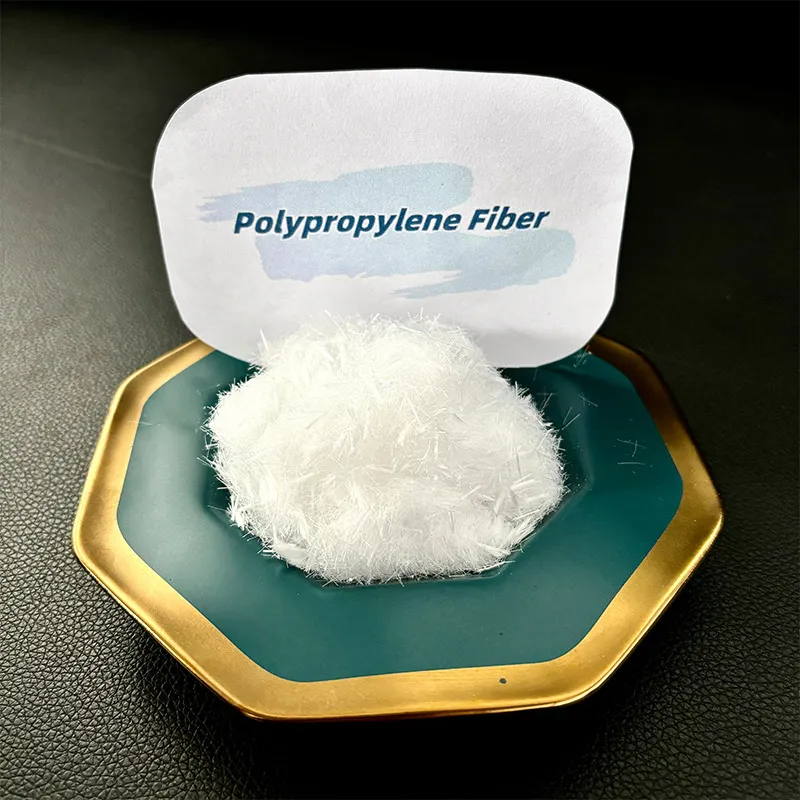
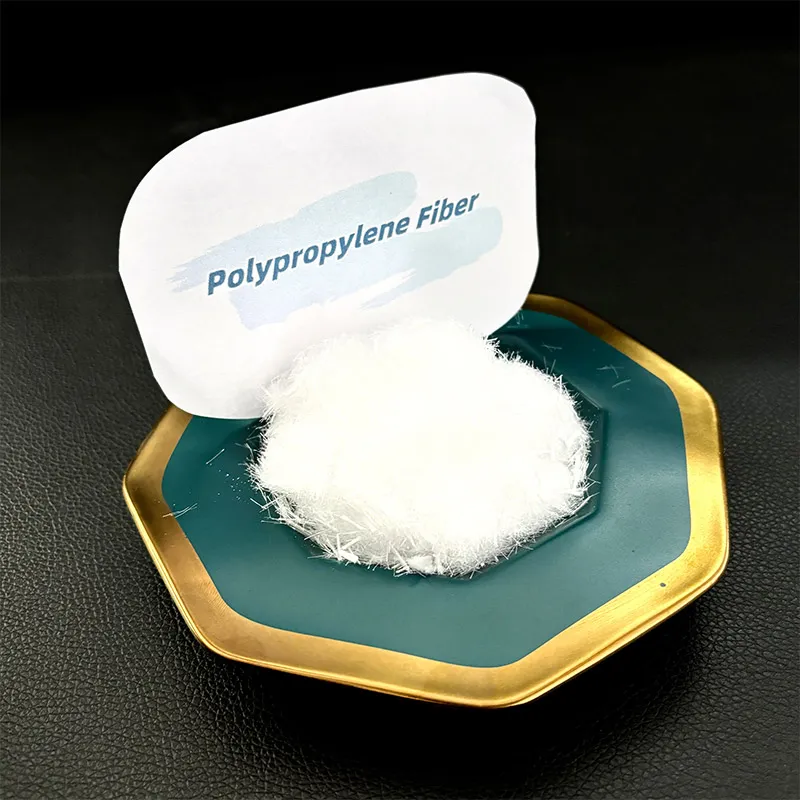
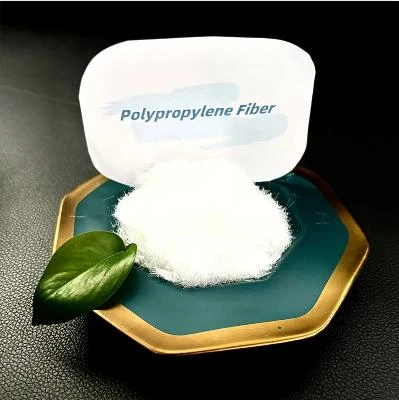
Understanding Polypropylene Fibers for Concrete Slabs Enhancing Durability and Performance In the realm of construction, the search for materials that enhance the durability and overall performance of concrete structures is a constant pursuit. Among various innovative solutions, polypropylene fibers have emerged as an effective reinforcement medium, particularly in the context of concrete slabs or soleras. This article explores the characteristics, benefits, applications, and considerations of using polypropylene fibers in concrete mixtures, shedding light on their significance in modern construction. What are Polypropylene Fibers? Polypropylene fibers are synthetic fibers derived from the polymerization of propylene monomers. These fibers are lightweight, resistant to chemical degradation, and have excellent tensile strength. Due to their inherent properties, they have been increasingly used in various construction applications, particularly as additives in concrete mixes. When integrated into concrete, polypropylenes create a three-dimensional matrix that enhances the material's integrity. Benefits of Using Polypropylene Fibers in Concrete Slabs 1. Reduced Cracking One of the primary advantages of incorporating polypropylene fibers into concrete slabs is the significant reduction in plastic and shrinkage cracking. Concrete is susceptible to cracking as it cures due to temperature variations and drying shrinkage. Polypropylene fibers help to distribute stress more evenly, effectively reducing the likelihood of cracks forming. 2. Improved Impact Resistance The addition of polypropylene fibers enhances the impact resistance of concrete slabs. This is particularly beneficial in applications where heavy loads or foot traffic are expected, such as industrial floors, warehouses, and parking garages. The fibers absorb and dissipate energy during impact, reducing damage and extending the lifespan of the flooring. 3. Enhanced Durability Polypropylene fibers contribute to the long-term durability of concrete. They help to mitigate the adverse effects of environmental factors such as freeze-thaw cycles, moisture penetration, and the corrosive actions of de-icing salts. This is crucial for structures exposed to harsh environmental conditions. 4. Lightweight and Cost-effective Compared to traditional steel reinforcement methods, polypropylene fibers are lightweight and generally more cost-effective . Their ease of incorporation into the mixing process minimizes labor costs and simplifies transportation and handling. 5. Aesthetic Benefits When polypropylene fibers are used in concrete mixtures, they can help provide a more uniform and aesthetically pleasing finish. The fibers can be evenly dispersed throughout the concrete, contributing to a consistent appearance and reducing surface imperfections. fibras de polipropileno para solera Applications in Concrete Construction Polypropylene fibers are versatile and can be used in various concrete applications. Some notable examples include - Industrial Floors In warehouses and factories, durable floors that can withstand heavy machinery and foot traffic are essential. Polypropylene fibers enhance the robustness of these slabs, reducing maintenance costs and downtime due to repairs. - Decorative Concrete In decorative concrete applications, such as stamped or colored concrete, polypropylene fibers can improve the structural integrity while allowing for creative design without compromising strength. - Pavements and Sidewalks The addition of polypropylene fibers to pavements and sidewalks helps to increase their lifespan, reduce maintenance, and improve overall performance against environmental stressors. Considerations for Use While polypropylene fibers offer numerous benefits, several considerations should be taken into account. Proper dosage is crucial; excessive amounts may lead to workability issues during mixing and placement. It is also essential to ensure that the selected fibers are compatible with the specific concrete mix design and any other additives being used. Furthermore, thorough testing should be conducted to understand how polypropylene fibers will interact with the specific conditions of the intended application, including environmental exposure and load requirements. Collaborating with concrete specialists can help optimize the use of polypropylene fibers for desired outcomes. Conclusion In conclusion, the integration of polypropylene fibers in concrete slabs presents a myriad of benefits that enhance performance, durability, and aesthetic appeal. As construction continues to evolve, the adoption of such innovative materials will be paramount in meeting the demands of modern infrastructure. With ongoing research and development, polypropylene fibers stand to play a significant role in improving concrete technology, ensuring stronger, more resilient structures for the future. Embracing these advancements not only promotes economic efficiency but also plays a vital role in sustainable building practices.
advantages
-

200000 Viscosities
Excellent product
We can produce pure products up to 200,000 viscosities
-

40000 tons
High yield
We don’t stop production all year round, and the annual output can reach 40,000 tons
-

24 hours
Quality service
We provide 24-hours online reception service, welcome to consult at any time
———— Inquiry Form
Schedule A services
-
 silicone_rubber_powder
Oct . 25, 2025
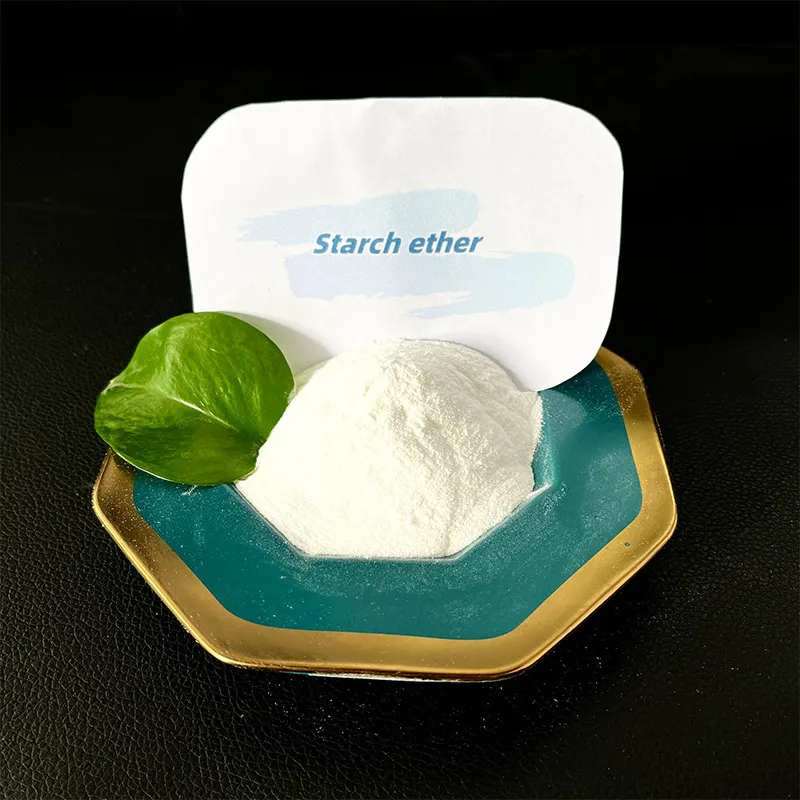
Starch ether has rapidly become a vital additive in dry mortar technologies, especially for tile adh -
 concrete_with_fibre_reinforcement
Oct . 25, 2025
In the ever-evolving construction industry, materials that enhance performance, longevity, and effic -
 utilisations_de_l_hydroxypropylmethylcellulose
Oct . 25, 2025
Starch ether is a versatile and eco-friendly compound derived from natural starch sources, widely us


